


Post-mastectomy fitters elevate breast cancer recovery with tailored prosthetic guidance, compassionate expertise, and vital support that restores confidence and comfort after surgery.
Post-Mastectomy Fitters: A Part of Breast Cancer Recovery
For individuals recovering from breast cancer surgery, healing involves far more than physical recovery alone. The post-mastectomy fitter plays a meaningful role at a pivotal point in this journey—helping patients restore balance, comfort, and confidence as they move forward.
As allied healthcare professionals, post-mastectomy fitters provide clinical expertise, practical solutions, and compassionate support during a time of significant transition.
This article explores the clinical, emotional, and practical impact of post-mastectomy fitting and why this specialized role is an essential part of comprehensive breast cancer care.
Supporting Physical Recovery Through Clinical Expertise
Following mastectomy or lumpectomy, the body undergoes changes that can affect posture, alignment, and movement. Post-mastectomy fitters are trained to understand these changes and apply evidence-based fitting techniques that support physical recovery.
Properly fitted breast prostheses help restore symmetry and weight balance, reducing strain on the neck, shoulders, and back. Without this balance, patients may unconsciously compensate, increasing the risk of discomfort and long-term musculoskeletal issues.
Fitters do more than just fit a bra; they simultaneously assess chest wall contours, residual tissue considerations, and tissue sensitivity to recommend prosthetic options that align with both medical needs and patient preferences.
In addition, fitters remain attentive to post-surgical considerations, including scar tissue, radiation effects, and fluctuating swelling. By adjusting fit and materials over time, they help ensure ongoing comfort as the body continues to heal. This adaptability is especially important during the first year after surgery, when physical changes are most pronounced.
Enhancing Comfort and Daily Function
Everyday activities—from getting dressed to returning to work—can feel daunting after surgery. Through careful garment selection and prosthetic fitting, fitters help patients find solutions that work with their lifestyle. This may include lightweight prostheses for warmer climates, soft forms for early recovery, or specialized bras that accommodate a limited range of motion.
These thoughtful recommendations reduce friction points, minimize skin irritation, and support ease of movement.
By addressing comfort concerns early, fitters empower patients to focus on healing rather than managing discomfort. This practical support often has a ripple effect, helping individuals feel more capable and independent as they navigate life after surgery.
Providing Emotional Support at a Sensitive Time
The fitting appointment is often one of the first moments when patients confront visible changes to their bodies. This can bring up a wide range of emotions, from grief and vulnerability to hope and resilience. Post-mastectomy fitters are uniquely positioned to offer reassurance and emotional support during this experience.
A calm, welcoming environment helps patients feel seen and respected. Fitters who practice trauma-informed care recognize that each person’s experience with cancer is deeply personal. By offering clear explanations, inviting questions, and moving at the patient’s pace, fitters help foster a sense of safety and trust.
Simple acts—listening attentively, validating concerns, and acknowledging milestones—can have a profound impact. Many patients recall their fitter as one of the professionals who helped them feel renewed, not by erasing the experience of cancer, but by supporting their path forward.
Fitters do more than just fit a bra; they simultaneously assess chest wall contours, residual tissue considerations, and tissue sensitivity to recommend prosthetic options that align with both medical needs and patient preferences.
Encouraging Confidence and Body Acceptance
Confidence often returns gradually after breast surgery. Framing prosthetic fitting as a tool rather than a requirement empowers patients to define recovery on their own terms. This approach supports emotional well-being and helps patients reconnect with their sense of self.
Post-mastectomy fitters contribute to this process by helping patients find options that reflect their identity and preferences. Whether a patient desires a natural appearance, a lightweight solution, or no prosthesis at all, the fitter’s role is to support informed choice without judgment.
Seeing oneself comfortably dressed and well-supported can be an important step toward body acceptance. For some, this means achieving symmetry under clothing. For others, it means prioritizing comfort and freedom of movement. Ultimately, certified fitters help refine these choices, reinforcing that there is no single “right” way to heal.
Part of an Allied Healthcare Team
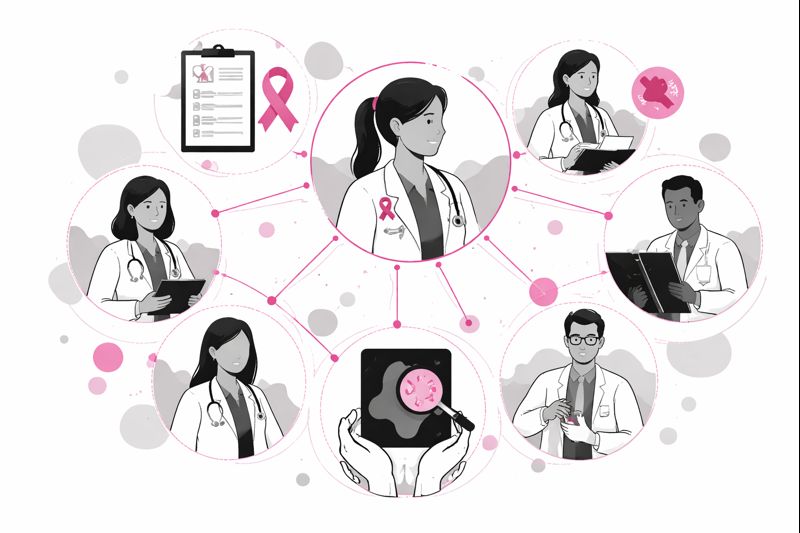
Post-mastectomy fitters are an integral part of the broader breast cancer care team. Their work complements that of surgeons, oncologists, physical therapists, and lymphedema specialists. Through collaboration and communication, fitters help ensure continuity of care.
Fitters often identify concerns that warrant referral, such as signs of lymphedema, skin breakdown, or unresolved pain. By recognizing these issues early, they contribute to timely intervention and improved outcomes. Documentation and clear communication with referring providers further strengthen this team-based approach.
As allied healthcare professionals, fitters also stay informed about evolving clinical guidelines, prosthetic technologies, and reimbursement policies. Ongoing education allows them to provide accurate information and advocate effectively for their patients within the healthcare system.
Navigating Practical and Insurance Considerations
Beyond clinical care, post-mastectomy fitters offer valuable guidance on practical matters that can feel overwhelming during recovery. Understanding insurance coverage, prosthetic replacement schedules, and documentation requirements is not always straightforward for patients.
Fitters help demystify these processes by explaining benefits, assisting with paperwork, and setting realistic expectations. This support reduces stress and allows patients to focus on healing rather than administrative hurdles.
In addition, fitters educate patients about proper care and maintenance of prostheses and garments. This practical knowledge extends product lifespans and ensures consistent comfort over time.
Adapting Care Over Time
Recovery from breast cancer is not a static process. Physical needs, emotional readiness, and lifestyle demands evolve. Post-mastectomy fitters provide ongoing support by encouraging follow-up visits and reassessments.

Weight changes, aging, additional surgeries, or changes in activity level may all influence fit and comfort. By maintaining a long-term relationship with patients, fitters help ensure that solutions remain appropriate and supportive at every stage.
This continuity of care reinforces trust and underscores the fitter’s role as a consistent, knowledgeable resource throughout survivorship.
Compassionate Care That Lasts
The role of the post-mastectomy fitter extends far beyond measurement and product selection. Through clinical skill, emotional awareness, and practical guidance, certified fitters help patients navigate one of the most challenging transitions of their lives.
By restoring physical balance, supporting confidence, and offering compassionate presence, post-mastectomy fitters contribute meaningfully to the breast cancer recovery journey. Their work reflects the heart of allied healthcare—combining expertise with empathy to improve quality of life, one patient at a time.
For many individuals, the fitting room becomes a place of renewal. For the certified fitters who serve them, it is an opportunity to make a lasting difference through care that is both skilled and deeply human.