


Discover how next-generation silicone breast forms are transforming post-mastectomy care. Multi-density layering delivers soft, cushioned comfort against the chest while maintaining natural shape and support on the outer surface.
Fabric, Form, and Function: How Silicone and Textile Material Science Directly Impacts Comfort
How Material Science Impacts Comfort and Confidence
Behind every exceptional post-mastectomy garment lies something most wearers never consciously consider: the science of materials. From the silicone composition of a breast prosthesis to the microfiber lining of a mastectomy bra, material science quietly determines whether a product feels comfortable, supportive, and confidence-boosting throughout an entire day of wear.
As textile engineering and prosthetic design continue to evolve, individuals navigating life after mastectomy now have access to garments and breast forms that are lighter, cooler, more adaptive, and more natural-feeling than anything available even a decade ago. Understanding how these materials work can transform the way clients and fitters approach product selection.
Why Materials Matter in Post-Mastectomy Care
Comfort after mastectomy is not a luxury. It is a fundamental component of physical recovery and emotional well-being. Poorly designed materials can cause skin irritation, excessive perspiration, pressure sores, and overall dissatisfaction, discouraging consistent wear. When a breast form feels too heavy, too warm, or too rigid, it can negatively affect posture, confidence, and quality of life.
Conversely, thoughtfully engineered materials can make a garment feel almost invisible against the skin. The goal of modern post-mastectomy product design is to create items that wearers forget they are wearing, not because the products are insignificant, but because they integrate so seamlessly into daily life.
The Evolution of Silicone in Breast Prosthesis Design
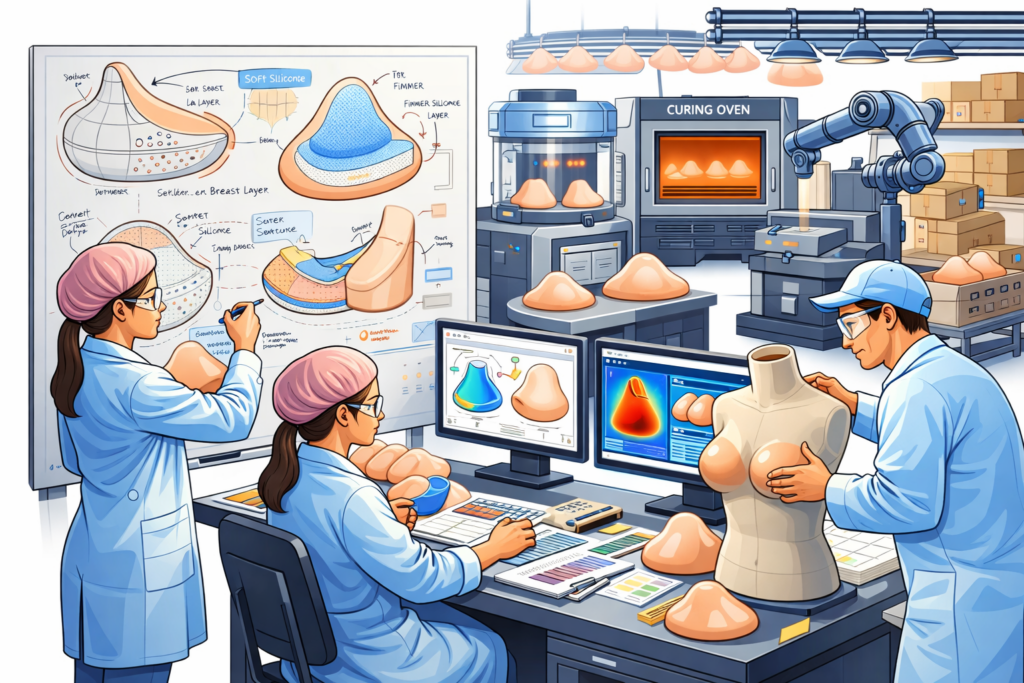
Silicone has long served as the primary material in external breast prostheses due to its ability to replicate the weight, movement, and texture of natural breast tissue. However, not all silicone is created equal. Early prosthetic silicone formulations were often dense and prone to heat retention, limiting comfort during extended wear or in warm weather.
Contemporary silicone technology has significantly changed the landscape. Today’s advanced breast forms often incorporate multi-density silicone layering, placing softer silicone against the chest wall for cushioning while maintaining firmer silicone on the outer surface to retain shape. This dual approach improves both comfort and aesthetics simultaneously.
Temperature regulation has also advanced significantly. Many modern silicone breast prostheses feature ventilated channel designs or phase-change material integration that actively dissipates heat away from the body. These cooling innovations address one of the most persistent complaints among breast form wearers, particularly in warmer climates or during physical activity.
Lightweight silicone blends represent another major development. By introducing air pockets or reducing material density without sacrificing shape integrity, manufacturers have created prostheses that weigh significantly less than traditional models while still providing the natural drape that many wearers prefer.
Advanced Textiles in Mastectomy Bras and Garments
The bra or garment holding a breast prosthesis plays an equally important role in overall comfort. Material science has dramatically elevated the quality of post-mastectomy bras, camisoles, and compression garments through innovations in textile engineering.
Moisture-wicking fabrics have become a standard feature in premium mastectomy bras. These materials actively transport perspiration away from the skin surface and toward the outer layer of the fabric, where it can evaporate efficiently. For individuals experiencing hormonal fluctuations related to cancer treatment, which can intensify perspiration, moisture management is particularly valuable.
Microfiber and modal blends have emerged as popular choices for garments worn directly against sensitive post-surgical skin. These fibers are exceptionally soft, lightweight, and resistant to friction, reducing the risk of irritation around scar tissue or radiation-affected areas. Unlike coarser cotton weaves, microfiber maintains a smooth surface that glides rather than tugs against delicate skin.
Seamless construction techniques further enhance comfort by eliminating raised stitching that can create pressure points. Laser-cut edges and bonded seams produce cleaner lines that sit flat against the body, improving both the tactile experience and the visual appearance under clothing.
Pocket Engineering and Prosthesis Stability
The interior pocket of a mastectomy bra might seem like a minor design element, but its material composition and construction significantly influence prosthesis stability and skin comfort. High-quality pockets are typically constructed from breathable mesh or perforated cotton that allows air circulation between the breast form and the chest wall.
Pocket depth, stretch capacity, and attachment placement determine how securely a prosthesis sits within the garment throughout various activities. Reinforced pocket openings prevent sagging and shifting, while strategically placed elastic maintains the form in its intended position without creating constriction.
Some manufacturers have introduced antimicrobial pocket linings that inhibit bacterial growth and reduce odor retention. For individuals wearing prostheses for extended periods, this material treatment contributes to a fresher, more hygienic wearing experience.
Smart Fabrics and the Future of Post-Mastectomy Comfort
The frontier of material science in post-mastectomy care extends beyond traditional textiles. Smart fabric technology is beginning to influence garment design in meaningful ways.
Thermoregulating fabrics embedded with phase-change microcapsules can absorb, store, and release body heat to maintain a consistent temperature against the skin. Originally developed for aerospace applications, this technology is now appearing in intimate apparel and medical garments designed for sensitive wearers.
Compression fabrics with graduated pressure zones are also gaining traction. Rather than applying uniform compression, these materials deliver targeted support that can promote lymphatic drainage and reduce post-surgical swelling. For individuals managing lymphedema alongside prosthetic wear, this material advancement offers functional benefits that extend well beyond comfort alone.
Sustainable material sourcing is another emerging trend. Eco-conscious consumers increasingly seek products made from recycled fibers, organic cotton, or biodegradable components. Several manufacturers have responded by incorporating environmentally responsible materials without compromising performance or durability.
How Fitters Can Leverage Material Knowledge
For certified post-mastectomy fitters, understanding material science is a powerful professional asset. When a client expresses discomfort, identifying whether the issue stems from silicone density, fabric composition, pocket design, or garment construction allows the fitter to recommend targeted solutions rather than generic alternatives.
Educating clients about why certain materials perform differently builds trust and positions the fitter as a knowledgeable guide rather than simply a product provider. Explaining the cooling properties of a ventilated silicone form or the moisture-wicking capability of a specific bra fabric helps clients appreciate the value of well-engineered products.
Material literacy also supports better communication with manufacturers and suppliers. Fitters who can articulate specific material needs on behalf of their clients contribute to a feedback loop that drives continued product innovation across the industry.
Comfort and Confidence Are Inseparable
Ultimately, the relationship between material science and confidence is deeply interconnected. When a breast prosthesis feels natural, and a mastectomy bra feels supportive without being restrictive, the wearer can move through daily life with greater ease and assurance.
Material science may operate behind the scenes, but its impact is felt with every step, every embrace, and every glance in the mirror. As textile and prosthetic technologies continue to advance, post-mastectomy care will only become more personalized, more comfortable, and more empowering.