


Breast cancer survivors are redefining medical necessity in post-mastectomy care by demanding personalization, wellness integration, elevated aesthetics, and boutique-style experiences.
Today’s Survivors Want More Than Clinical Care
The modern healthcare consumer is evolving rapidly, and nowhere is that shift more visible than within the breast cancer survivorship community. Today’s patients are no longer satisfied with care models focused solely on clinical outcomes or basic medical necessity. Increasingly, breast cancer survivors are seeking experiences that blend healthcare, wellness, aesthetics, emotional support, personalization, and elevated customer service into one cohesive journey.
This emerging demographic—often described as the “medical wellness” consumer—is reshaping expectations across post-mastectomy retail, compression therapy, oncology rehabilitation, and survivorship services. For boutique owners, certified fitters, manufacturers, and healthcare providers, understanding this cultural shift is no longer optional. It is becoming essential for long-term relevance and growth.
The Shift From Medical Necessity to Lifestyle Integration
The rise of the medical wellness consumer reflects a larger transformation occurring across healthcare industries. Patients today are deeply informed, digitally connected, and accustomed to premium customer experiences in nearly every aspect of life. From luxury hospitality and skincare to fitness memberships and personalized nutrition, consumers increasingly expect convenience, empathy, customization, and aesthetics. When they enter a post-mastectomy boutique or survivorship clinic, they bring those same expectations with them.
For decades, post-mastectomy products were viewed primarily through a utilitarian lens. A bra was a medical device. A compression garment was prescribed for function. Wig services focused almost exclusively on necessity. The emotional and lifestyle dimensions of survivorship often took a secondary role.
That mindset is changing dramatically.
Today’s breast cancer survivors frequently approach recovery with a holistic perspective. They are seeking products and environments that support not only physical healing, but also identity, confidence, emotional wellness, and quality of life.
Aesthetics Matter More Than Ever
Survivors increasingly want products that feel stylish rather than institutional. They are asking for softer fabrics, modern silhouettes, inclusive sizing, customizable fits, and fashion-forward options that align with their personal sense of style.
In many ways, the post-mastectomy industry is experiencing its own version of the wellness revolution.
This shift is particularly evident among younger survivors and Gen X consumers, who often prioritize self-expression, lifestyle branding, and wellness-oriented purchasing behaviors. However, the trend extends well beyond age demographics. Women across generations are becoming more vocal about wanting dignity, personalization, and beauty integrated into their healthcare experiences.
The clinical side of survivorship remains critically important, of course. Proper fitting, edema management, prosthetic balance, and skin integrity are non-negotiable components of care. But consumers increasingly expect these medical necessities to coexist with comfort, elegance, and emotional intelligence.
The Boutique Experience Is Becoming a Competitive Advantage
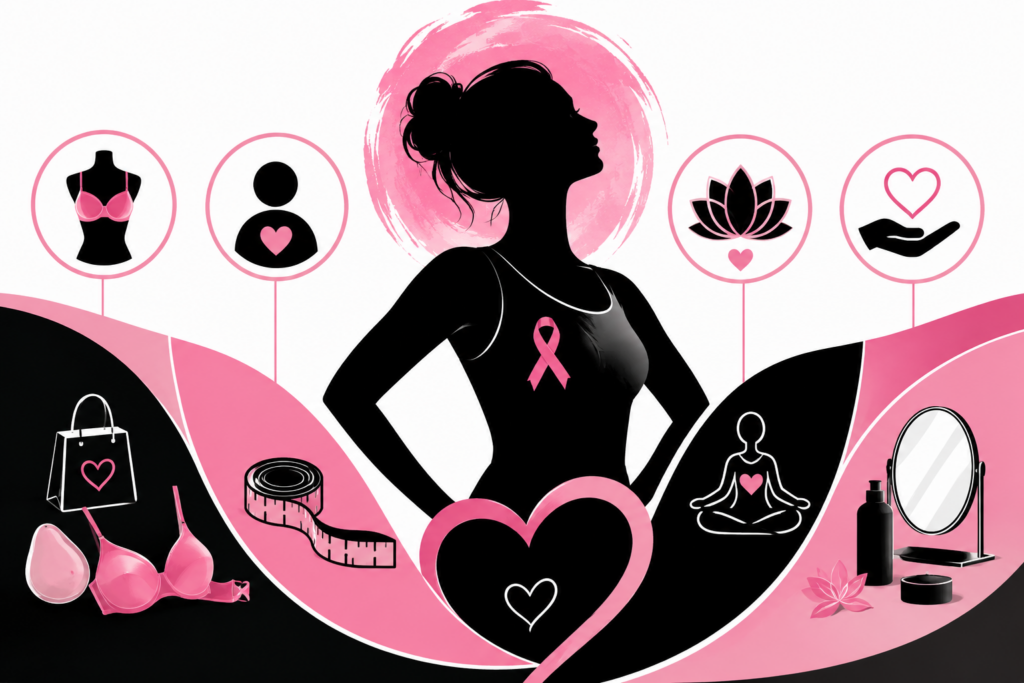
This medical consumer revolution is creating a new standard for post-mastectomy boutiques and survivorship businesses.
The modern consumer is evaluating more than product inventory. She is evaluating atmosphere, emotional tone, customer service philosophy, branding, communication style, and overall experience. A boutique that feels warm, calming, modern, and thoughtfully curated often resonates more strongly than one that feels overly clinical or transactional.
Even subtle details now matter significantly. Lighting, fitting room privacy, music selection, fabric displays, website design, packaging, and consultation style all contribute to how survivors perceive care quality. Patients are increasingly drawn to businesses that make them feel seen as whole individuals rather than medical cases.
Wellness Integration Is Reshaping Survivorship Care
This is where wellness integration becomes especially important. Many survivors today are interested in complementary approaches that support recovery and long-term well-being. They may already participate in yoga, meditation, lymphatic wellness practices, nutrition coaching, fitness training, mindfulness programs, or integrative oncology services. As a result, they often gravitate toward boutiques and providers who acknowledge those broader wellness goals.
Forward-thinking businesses are responding creatively. Some boutiques now incorporate wellness education, survivorship workshops, mindfulness programming, scar-care consultations, nutrition resources, or community-centered events into their business models.
Others collaborate with physical therapists, oncology estheticians, counselors, or fitness professionals to create more holistic support ecosystems.
Importantly, this trend does not mean abandoning evidence-based care. Rather, it means recognizing that survivors increasingly define “healing” in multidimensional ways. Emotional confidence, body image restoration, stress reduction, and self-care rituals are becoming integral parts of the survivorship conversation.
Social Media Has Changed Consumer Expectations
Social media has accelerated this transformation substantially. Platforms like Instagram, TikTok, Pinterest, and survivor-led online communities have normalized conversations about reconstruction choices, body acceptance, post-surgical fashion, intimacy, wellness routines, and survivorship identity. Consumers now have unprecedented access to peer recommendations, product reviews, advocacy discussions, and visual inspiration.
As a result, survivors are entering boutiques better informed and more empowered than ever before. They are researching products before appointments. They are comparing brands. They are evaluating inclusivity and representation in marketing materials. They notice whether a business feels contemporary or outdated.
Personalization Is the New Standard
The medical wellness consumer also tends to value personalization. Cookie-cutter experiences no longer resonate strongly in this environment. Survivors increasingly expect consultations that feel individualized and collaborative. They appreciate providers who listen carefully, explain options thoroughly, and tailor recommendations to lifestyle preferences rather than simply processing a prescription.
This is especially true when discussing intimate or emotionally sensitive products such as breast forms, compression garments, swimwear, or post-surgical apparel. Patients want to feel respected, empowered, and involved in decision-making.
Premium Service Is About More Than Price
Premium service is another defining characteristic of this emerging market. Notably, “premium” does not necessarily mean luxury pricing. Instead, it often refers to elevated attention to detail, responsiveness, empathy, professionalism, and thoughtful communication. A survivor who feels genuinely cared for is far more likely to become a loyal client and enthusiastic referral source.
Businesses that succeed in this environment often train staff extensively in emotional intelligence, trauma-informed communication, and patient-centered service techniques. Technical competency remains essential, but bedside manner and interpersonal experience increasingly shape consumer loyalty.
Product Innovation Is Following Consumer Demand
The rise of the medical wellness consumer is also influencing product innovation across the industry. Manufacturers are responding with softer textiles, adaptive designs, seamless construction, inclusive skin-tone ranges, eco-conscious materials, and more fashion-oriented collections.
Compression garments now appear in more sophisticated colors and silhouettes. Post-surgical bras increasingly prioritize both function and style. Prosthetic options continue evolving to improve comfort, realism, and lifestyle compatibility.
This innovation reflects a broader realization: survivors do not want to choose between medical effectiveness and personal identity. They expect both.
The Future of Survivorship Care Is Experience-Driven
For boutique owners and fitters, this presents a significant opportunity. Businesses that embrace the medical wellness mindset can differentiate themselves through experience-driven care models that foster trust, comfort, and long-term relationships. Survivors are increasingly willing to support businesses that align with their emotional and lifestyle values.
At the same time, businesses that resist modernization may struggle to remain competitive. Clinical expertise alone is no longer enough to guarantee loyalty in an increasingly consumer-driven healthcare environment.
Ultimately, the rise of the medical wellness consumer represents something profoundly hopeful. It reflects a cultural movement in which breast cancer survivors are demanding not only survival, but quality of life, dignity, beauty, confidence, and agency throughout the healing journey.
Today’s survivors are redefining what compassionate healthcare looks like. They are proving that medical necessity and wellness-centered living are not opposing concepts. They are interconnected parts of modern healing.
And the businesses that understand that distinction will likely shape the next generation of post-mastectomy care.