


The word “stress” is a common enough word. It is a constant factor in most people’s lives and a term used to refer to both daily pressure and overwhelming situations. But recognizing stress in mastectomy fitters can be difficult.
Table of Contents
What Is Stress?
Stress is a cascade of physiological reactions to a challenge or demand, such as frustration, danger, anger, or anxiety. Short bursts of stress can be beneficial, such as avoiding danger or meeting a deadline.
Tension is normal. But when left uncontrolled, it may harm your health.

Types of Stress
There are two main types of stress.
Acute Stress
Acute stress is short-term. It is a physiological reaction triggered by a situation, person, or event. It comes and goes quickly. It helps you manage new, exciting, or dangerous situations. This biological gift is called the “fight or flight response.”
Tension is normal. It can help you to avoid danger or meet a deadline. But when left uncontrolled, it will harm your health.
Chronic Stress
Chronic stress lasts for an extended period. Unfortunately, chronic pressure becomes familiar and, hence, is ignored. Examples can include money or business problems, relationship issues, or trouble at work.
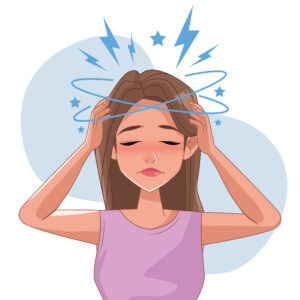
How Does Your Body React To Stress?
As your body encounters stress, hormones are released. These hormones increase alertness and heart rate, oxygenate the blood, and tense muscles — preparing the body for action.
However, with chronic stress, your body stays alert, regardless of the presence of danger.
Over time, this state of always-on increases the risk for chronic health conditions, including:
- High blood pressure
- Heart disease
- Diabetes
- Obesity
- Depression or Anxiety
- Panic Attacks
- Skin problems, such as eczema
Typical signs of stress include:
- Trouble sleeping or sleeping too much
- Forgetfulness
- Fatigue
- Excema
- Upset stomach
- Use of alcohol or drugs to relax
- Weight loss or gain
- Diarrhea or constipation
- Frequent aches and pains
- Headaches
- Lack of energy or focus
- Sexual problems
- Stiff jaw or neck
3 Simple Ways to Minimize Stress
Understand Grounding Techniques
Grounding Techniques are simple actions that help to relieve immediate stress. And one of the simplest techniques to ease tension and stress is something we instinctively do – we breathe.
Deep Breathing
Breathe deep. Take slow, deliberate, and easy breaths, exhaling completely for a minimum of thirty seconds. Many fitness trackers or phone apps have guided meditation or short breathing exercises.

The 5-4-3-2-1 technique
The goal of the 5-4-3-2-1 technique is to use the five senses to recenter your thoughts on the moment, minimizing stress-causing ideation.
5. SEE: Count five things you can see.
4. TOUCH: Count four things you can touch.
3. HEAR: Count three things you can hear.
2. SMELL: Count two things you can smell.
1. TASTE: Count one thing you can taste.
Exercise
Physical activity improves oxygen use and blood flow and directly affects your brain. Exercise also increases endorphin production – “feel-good” neurotransmitters — that promote a sense of well-being and euphoria.
Any level of exercise will work -you don’t need to run a marathon helps take your mind off your worries. And, by concentrating on the rhythm of the movements, one can produce similar benefits to meditation, providing calmness and clarity.
Proven Benefits of Long Weekends

When was your last vacation?
Even a short vacation can reduce stress. A change of location serves to remove a person from the triggers and environments associated with strain and anxiety. A recent Japanese study found that a short, three-day leisure trip reduced perceived stress levels and lowered the “stress hormone” cortisol.
Stress is both positive and negative. But just like most things in life, too much of any one thing can be harmful. Running a mastectomy business is rewarding. But it also adds numerous levels of stress from the minute the business cards are printed.
So, just as you work to keep the business healthy, actively look for stress in your employees, your mastectomy fitters, and yourself.
Prioritize health, so everyone can enjoy their personal, professional, and entrepreneurial accomplishments.