


Stay storm-ready and patient-focused. This hurricane preparedness guide helps post-mastectomy businesses protect inventory, secure data, and ensure staff safety—while maintaining continuity of care when it matters most.
The American Association of Breast Care Professionals & the Global Breast Care Network have partnered with the National Oceanic and Atmospheric Administration (NOAA) as NOAA Weather Ambassadors to bring you the latest in disaster preparedness for you and your business.
Table of Contents
When Is Hurricane Season 2026?
The Atlantic Hurricane Season 2026 begins June 1st and runs through November 30th.
Forecast 2026
What kind of impact will the below-normal hurricane activity have on businesses this Summer?
Colorado State University forecasters predict below normal hurricane activity in the Atlantic this year.
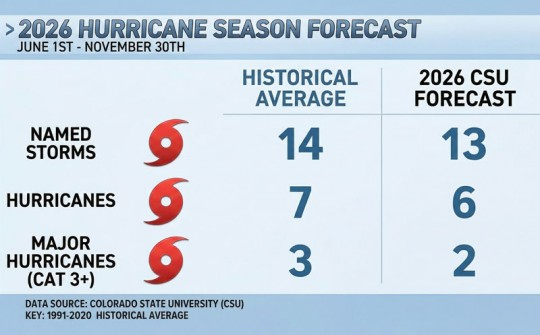
- 13 named storms (average is 14.4)
- 55 named storm days (average is 69.4)
- 6 hurricanes (average is 7.2)
- 20 hurricane days (average is 27.0)
- 2 major (Category 3-4-5) hurricanes (average is 3.2)
- 5 major hurricane days (average is 7.4)
The environmental explanation highlights that the current weak La Niña conditions are likely to transition to El Niño in the next few months, with the potential for a moderate/strong El Niño for the peak of hurricane season.
Sea surface temperatures in the western tropical Atlantic are warmer than normal, but slightly cooler than normal in the eastern and central tropical Atlantic.
At a minimum, maintain a 72-hour (3-day) emergency readiness capacity.
Naming Conventions
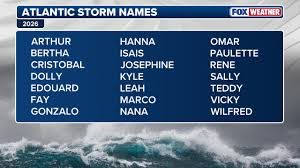
Hurricanes are named by the World Meteorological Organization (WMO) using six rotating, alphabetical lists of male and female names, intended to make tracking storms easier for the public and meteorologists.
Lists for the Atlantic basin feature 21 names (skipping Q, U, X, Y, Z), alternating gender, and repeat every six years.
Key Facts About Hurricane Naming
- Rotation: The 2024 list will be used again in 2030, with lists maintained by the World Meteorological Organization.
- Retired Names: Names of exceptionally deadly or costly storms, such as Katrina (2005) or Harvey (2017), are retired and replaced to avoid confusion.
- History: The practice of using female names began in 1953, with male names introduced in 1979.
- Extra Storms: If the list of 21 names is exhausted, storms are named using an auxiliary list of names, rather than the Greek alphabet, which was used until 2020.
- Region Specific: The National Hurricane Center maintains the Atlantic list, while other regions have their own committees and naming conventions.
Be Prepared!
Hurricane Preparedness for Post-Mastectomy Businesses
Hurricane preparedness is not optional for healthcare-adjacent retail environments—it is a compliance, safety, and continuity imperative. Post-mastectomy businesses must protect sensitive patient records, specialized inventory, and the well-being of both staff and clients.
Hurricane Season 2026 is a good time to review and update, if necessary, your business’s disaster preparedness policies.
A comprehensive preparedness plan should include documented procedures, secure data backups, physical facility protection, and a clearly defined employee communication strategy.
Key priorities include backing up critical records off-site, securing windows and entry points, safeguarding prosthetic inventory and medical supplies, reviewing insurance coverage, and preparing for operational disruptions such as power outages and supply chain delays.
At a minimum, maintain a 72-hour (3-day) emergency readiness capacity.
Immediate Pre-Storm Actions
Secure Facilities
Board up windows and reinforce doors. Relocate breast prostheses, post-surgical garments, and sensitive equipment away from windows and elevate them off the floor to reduce flood risk.
Outdoor Safety
Bring in or secure exterior items such as signage, seating, or waste receptacles that could become hazardous debris in high winds.
Power and Utility Management
If flooding is anticipated, shut off electricity at the main breaker. Turn off gas lines where applicable to minimize fire risk.
Protect Data
Back up all patient records, billing systems, and operational data to a secure cloud-based system. Store any physical backups in a separate, off-site location in accordance with privacy and compliance standards.
Final Inspection
Clear drains and gutters to reduce water accumulation. Ensure emergency generators are fueled and operational.
Operational Preparedness
Employee Safety
Develop a clear shutdown protocol that prioritizes staff evacuation. Establish a contact tree so all employees receive timely updates before, during, and after the storm.
Insurance Review
Verify that your policy includes coverage for wind damage, flooding, and business interruption. Ensure documentation aligns with current inventory and equipment values.
Inventory & Documentation
Photograph or video all inventory, including prosthetic products, fittings, and medical-grade garments. Maintain updated records to streamline insurance claims if needed.
Communication Plan
Designate a third-party contact (outside the affected region if possible) to serve as a central communication point. Establish backup communication methods—such as SMS alerts or pre-recorded voicemail updates—in case of internet or phone outages.
Essential Supplies for Business Premises
Maintain a basic emergency supply kit to support staff who may need to remain on-site temporarily:
- Battery-operated radio for emergency broadcasts
- Flashlights with extra batteries
- Fully stocked first aid kit
- Non-perishable food items
- Bottled water (minimum one gallon per person per day)
Final Considerations
For post-mastectomy businesses, preparedness also means continuity of care. Patients rely on timely access to essential products and services. A well-structured hurricane plan not only protects your physical assets—it reinforces trust, professionalism, and your commitment to patient-centered care even during emergencies.